

This article is part of the Belmont Citizens Forum’s series on environmental leadership in Massachusetts.
Within 20 years, I expect to see a more free-flowing Neponset River teeming with native and anadromous fish, with a connected network of bike and pedestrian trails … where people can swim in their local pond or waterway … where restored floodplains and green infrastructure keep us cool, protect people from flooding, and support thriving wildlife.
The Neponset River Watershed Association (NepRWA) works to protect and restore one of Greater Boston’s most historically significant rivers, whose 30‑mile course drains parts of 14 cities and towns from Foxborough to Dorchester Bay. Like its sister organizations on the Mystic and Charles, NepRWA combines scientific monitoring, community engagement, and policy advocacy to confront pollution, flooding, and climate impacts across a densely developed watershed.
The Belmont Citizens Forum spoke with Ian Cooke, executive director of NepRWA, about the organization’s watershed‑wide initiatives, its partnerships with municipalities and local residents, and his vision for a cleaner, more resilient Neponset River. Jeffrey North conducted the interview, which has been edited here for length and clarity: read the complete version at BelmontCitizensForum.org. Readers can learn more about NepRWA’s work at neponset.org.
You’ve spent many years working on river restoration and watershed protection. Could you share a bit about your background and what led you to your current role as executive director of the Neponset River Watershed Association?
Cooke: The Neponset River starts in Foxborough near Gillette Stadium and flows northeast for 30 miles to Dorchester Bay at the painted gas tank by the expressway. Its watershed includes 14 cities and towns such as Norwood, Dedham, Milton, and the southern edge of Boston (Hyde Park, Mattapan, and Dorchester), as well as the northern edge of Quincy.
I grew up in Dorchester just a stone’s throw from the Neponset River, even played little league on the banks of the River, but never knew anything about it, because it was polluted, “dangerous,” and inaccessible behind six-foot barbed wire fences in spite of being largely publicly owned. In college, my interests in nature and the outdoors drew me toward environmental issues and family role models inspired my interest in working with grassroots nonprofits. After graduation, an internship at the NepRWA evolved into a career, an opportunity to work with a series of extraordinary community leaders, and to see the river gradually transformed into a vibrant community asset, a transformation that is still underway.
Environmental Initiatives
The Neponset River watershed spans both urban and suburban communities. What are the most pressing environmental challenges facing the river and its tributaries today?
Cooke: The Neponset River has come a long way since the days when it was fenced off, but it still has many challenges and opportunities ahead. These include pollution from stormwater runoff and aging infrastructure—particularly bacteria and fertilizers. About 120,000 people get some or all of their drinking water from groundwater sources in the watershed, but once withdrawn, almost all that water is transported to treatment plants outside the watershed. This causes serious problems with reduced streamflow especially during periods of drought, which further impact wildlife, recreation and water pollution. While we no longer have uncontrolled industrial discharges to the River, a legacy of our historic industrial pollution is still hiding in the mud at the bottom of the Neponset and some tributaries. EPA has recently designated the Lower Neponset as a Superfund site to help address some of these issues. Opening the river up so that all our communities can enjoy it, especially in our historically neglected Environmental Justice neighborhoods along the River is a key priority. Finally, climate change overlays and complicates all these issues, from sea level rise impacting neighborhoods and our salt marsh habitats alike to rising temperatures and increasing rainfall intensity. Climate is already aggravating many long-term problems with flooding, water pollution, recreation, and habitat loss.
NepRWA has been deeply involved in river restoration and dam removal. Can you highlight some of the most impactful projects and what they’ve achieved?
Cooke: Protecting and restoring habitats for native wildlife is a key priority for us.While it’s impossible to undo more than 400 years of development in our watershed, we have many intact natural resources, and there is tremendous potential to restore lost ecological functions that would benefit wildlife, people and our economy. We have secured Area of Critical Environmental Concern status from the state for the Neponset River Estuary along the coast, and the 8,000 acres of freshwater floodplain and wetlands in Fowl Meadow. Amazingly, we still have some 95 dams remaining along our small river and its tributaries, almost all of which are remnants of the industrial era with no modern purpose. We are lucky to still have wild native trout in several tributaries, including the best remaining trout stream in Eastern MA. Working with many partners such as Greater Boston Trout Unlimited, we have (so far!) removed five small dams from our trout streams to help reconnect aquatic habitats, improve water quality, and reduce flood risks.
One of our longest-running goals has been to restore historic runs of migratory herring and shad. These fish came upstream to spawn in the Neponset for millennia and have been permanently blocked from the River by mill dams since the early 1700s. We have been working to remove or modify the two most downstream dams on the Neponset, which are owned by the state. Doing so would restore 17 miles of spawning habitat, the single largest restoration opportunity for American Shad remaining in the state. It would also reduce flooding, improve water quality, enhance recreation, benefit numerous other species, and save money. With our advocacy, the state has recently agreed to remove one of these dams and is beginning a new study of what to do with the other, hopefully leading to the return of herring and shad in a few years.
Water quality remains a concern in many parts of the watershed (and others). What are the major sources of pollution, and what strategies are proving most effective in addressing them?
Cooke: Polluted stormwater runoff from roads and parking lots is our main source of ongoing water pollution. While we do have problems with antiquated sewer infrastructure in key areas, the Neponset is lucky that very few combined sewer systems or CSOs were built here as compared to the Charles and Mystic Rivers. That said, almost all roads and buildings in our watershed predate modern requirements to manage the polluted runoff and flooding caused by uncontrolled stormwater.
While some benefit is being gained by educating residents about picking up after pets and responsible lawn care, our stormwater challenge will only be solved when communities and private landowners upgrade stormwater infrastructure so that polluted runoff is filtered through plants and soils and infiltrated back into the ground. Reengineering our communities using “green infrastructure” techniques that absorb and slow down runoff rather than shedding it as quickly as possible is essential to not only getting the river clean, but for helping to absorb the dramatic increase in rainfall intensity that has started arriving with climate change, and that is already overwhelming storm drain infrastructure that was built for an earlier era.
Climate change is intensifying flooding and stormwater impacts. How is NepRWA working to improve resilience across the watershed?
Cooke: We work very closely with our cities and towns through our Neponset Climate Collaborative and the Neponset Stormwater Partnership, to help them prepare for and reduce the impacts of climate change. We have brought our communities together to develop detailed regional flooding models, for both inland areas and our coastal estuary, that map areas of increased flooding expected between now and 2070 and test ways to reduce those impacts. We are helping communities inventory infrastructure such as dams and culverts that can be removed or modified to reduce flooding impacts. We are identifying locations where communities can retrofit existing pavement with green infrastructure to reduce runoff. We are helping them streamline the process of adding stormwater controls every time they are digging up streets for road, sewer line, or water line work. We advocate for cities and towns to adopt stormwater utilities so they have a dedicated source of funding for this work. We help cities and towns update local development and redevelopment bylaws to ensure that the private sector is making upgrades and to reduce construction in flood prone areas. We are even studying the significant role that restoring and preserving our salt marshes can play in reducing coastal flooding of nearby properties and helping to buy time before communities are forced to undertake more challenging adaptation and relocation projects.
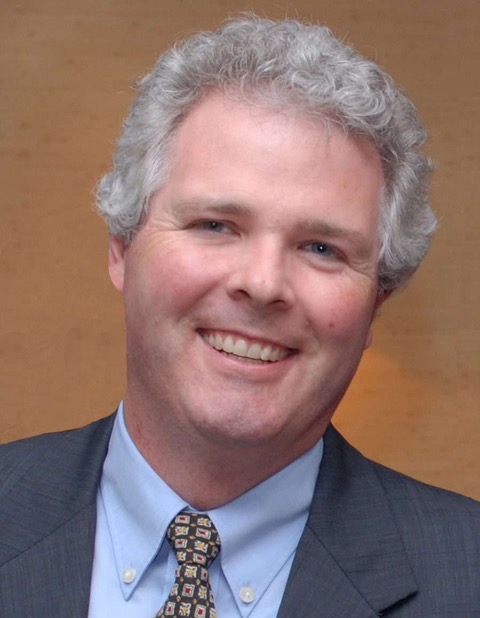
Ian Cooke is the executive director of the Neponset River
Watershed Association.
Community Engagement
NepRWA has a strong track record of engaging volunteers and local residents. How do you build and sustain that level of community involvement?
Cooke: We find that many people are eager to help make a difference on environmental and climate issues in their own communities. We now have about 1,000 individual volunteers and many corporate groups helping in all kinds of ways each year. Volunteers are central to everything we do, from gathering water samples, clearing debris on river cleanup days, revegetating stream banks, controlling invasive species, painting murals, helping with community outreach and education events, lobbying at the State House, leading committees and advisory groups that are building trails, identifying land acquisition opportunities, advising EPA on the Superfund Cleanup, and advocating for resilience measures among other activities. We invest significant time and effort in good communication and coordination with our volunteers, and the payback is tremendous.
The Neponset flows through a diverse set of communities. How does NepRWA work to ensure equitable access to the river and its green spaces?
Cooke: The Neponset encompasses some affluent communities and also some of the most socio-economically diverse environmental justice neighborhoods in the state. Making sure our work reflects the needs of everyone in all of our communities, including those who may have fewer resources or who may not be as well connected to traditional power structures, is a key part of our work. We do that by prioritizing where we invest our time and effort to ensure that our own resources as well as the resources of our municipalities and state agencies go to the areas of greatest need and not just to those with the greatest influence.
What are some of the most visible ways people can experience the Neponset River today—through recreation, restoration sites, or public programs?
Cooke: Everyone should explore the Neponset Greenway Trail, which stretches nine miles from the Boston Harborwalk and Morrissey Boulevard at the painted gas tank through Dorchester, Mattapan, Milton, and Hyde Park along the Neponset. This paved bike and pedestrian path weaves past parks, salt marshes and wetlands, playing fields, playgrounds, splash pads, fishing spots, Tenean Beach, and almost reaches the 7,000-acre Blue Hills. The last link to the Blue Hills is hopefully coming in the next few years, which will finally realize the 50-year vision for linking Boston to the Blue Hills along the Neponset. There are many other lovely parks, lakes, and paddling spots to explore. For anyone who might be interested in exploring further, we have information on recreation and parks at Neponset.org, as well as a list of upcoming events from a free paddling day to bird walks to river cleanup days.
Education and Outreach
How does NepRWA engage students, schools, and young people in learning about the watershed and becoming environmental stewards?
Cooke: We have watershed educators that visit more than 3,400 fifth graders across 12 of our 14 communities twice a year to talk about stormwater pollution, climate change, drinking water protection, and water conservation as well as a variety of programs that reach older students including summer internships and fellowships. From the fifth graders on up, we find that young people today are knowledgeable about environmental issues, thoughtful, and interested in making a difference in their communities. It’s really inspiring and gives you hope that solutions to some of the tremendous challenges we face are within reach.
What role does citizen science and public communication play in advancing your mission and building long-term support?
Cooke: Water quality monitoring using community volunteers to identify and document problems and advocate for solutions is something our organization has been doing in one form or another for almost 60 years. Today that spans volunteers who test water at 51 locations across the watershed, to special projects like surveying areas in need of trash cleanup and monitoring the health of our trout populations. Communications and public education are equally critical. With 330,000 people living in our watershed, you have to use effective communications and outreach to get things done, whether that’s getting people not to put dog poop bags into storm drains or getting a town meeting to adopt thoughtful policies on stormwater. In some sense, our organization is fundamentally a communications and outreach organization.
Policy and Advocacy
NepRWA has been active in addressing issues like stormwater management and PFAS contamination. What policy priorities are most important for the watershed today?
Cooke: Action on the policy front is extraordinarily important to creating healthy watersheds. Key areas where we need policy change from our state and local leaders include:
Updating our antiquated state stormwater policy to address the realities of climate change. State rules still rely on 1960s-era rainfall data. Even draft proposed rules, which have now been delayed for five years, while a step in the right direction, fall well short of what’s needed, and the longer we wait to make these changes, the larger the costs to correct our mistakes will be down the road.
We need state government to recommit to fully funding our state environmental agencies. Our parks agency, the Department of Conservation and Recreation, is particularly underfunded, but all our environmental agencies are still hampered by lack of resources and staffing.
Helping cities and towns to invest in updating their stormwater infrastructure through innovative financing mechanisms like “stormwater utility” fees is also critically important. In most communities, stormwater lacks the kind of consistent fee-based funding sources that support our water and sewer systems, leaving stormwater infrastructure poorly managed.
Several key pieces of active legislation are pending in our state legislature right now, such as the H.103Drought Management Bill (formalizing drought management authorities), the S.559 Flood Disclosure Bill (requiring home sellers to disclose past flooding), the S.2542 Mass Ready Bill (to help fund climate resilience), and the S.597 Nature for All Bill (to fund land and habitat protection) are ripe for passage.
Finally, we need the Commonwealth to create new regional governance institutions that can raise money to plan and fund the significant infrastructure upgrades needed to help us manage climate impacts. Current state investments in climate resilience, while well intended, are not nearly adequate. What we invest now in preventing future storm impacts, will save 10 times that amount in future storm damage recovery costs.
What policy changes or investments would have the greatest impact on improving the health of the Neponset River?
Cooke: Investments in opening up new greenways and regional trail connections are hugely beneficial for the health and well-being of communities, especially those that historically have had less access to green space. They also help to build and diversify the constituency for cleaner water. There are few things you can do that benefit river health and wildlife more than removing an obsolete dam. The fact that doing so usually saves money and reduces flood risk is a bonus. Another much needed but seldom implemented change that can bring a river back to life is reducing seasonal water withdrawals that significantly impact the amount of water in nearby streams. In many cases, this is simply a matter of adjusting which of several water sources a community relies on during the dry summer season, but doing so often involves modest additional costs that municipalities are unwilling to incur voluntarily and state regulators have generally lacked the will to require. Massachusetts needs to be much more proactive in planning for how we can use regional water supplies most strategically to minimize the overall impacts of water use on the environment.
Looking Ahead
What innovations—technical, ecological, or policy-related—are you most excited about in watershed restoration and climate resilience?
Cooke: New approaches to financing and managing stormwater and resilience investments are possible and very much needed, from the adoption of stormwater utilities to the development of new regional authorities with the resources to plan, prioritize, and operate green infrastructure.
Modern digital mapping and flood modeling technology has enormous potential to help us better understand and manage sources of pollution and excessive flood runoff, but only if we can break down traditional town-by-town data silos and get communities collaborating at the watershed scale.
What lessons from your experience at NepRWA would you most want to share with other environmental leaders across Massachusetts?
Cooke: It is critical for regional conservation groups to find ways to build coalitions not only with like-minded allies, but also with unconventional partners from the private sector, from local government, and from populations that have historically been excluded or simply absent from our political decision-making processes but who are often most directly affected by pollution and climate impacts.
If you could sit down with your peers leading other watershed and conservation organizations, what questions would you most want to ask them about advancing shared environmental progress and strengthening our natural wealth?
Cooke: I would ask what areas might be ripe for collaboration where we face similar challenges and could advance policy changes that would benefit all our rivers over the long term. I would also be curious to learn about what they see as some of their areas of success and the ingredients that came together to make those accomplishments possible.
Looking ahead 20 years, what is your vision for the Neponset River and its watershed if today’s restoration and advocacy efforts succeed?
Cooke: Within 20 years, I expect to see a more free-flowing Neponset River teeming with native and anadromous fish, with a connected network of bike and pedestrian trails all the way from Walpole to the Blue Hills to Boston, where people can and do cool off with a swim in their local pond or waterway even in the City of Boston, and where restored floodplains and green infrastructure—from small rain gardens dispersed throughout our neighborhoods to large restored salt marshes and other habitats—keep us cool, protect people from flooding, and support thriving wildlife.
Ian Cooke is the executive director of the Neponset River Watershed Association.
Jeffrey North is the managing editor of the BCF Newsletter.

Sorry, the comment form is closed at this time.