

The Charles River Watershed Association (CRWA), founded in 1965, works to protect, restore, and enhance the Charles River and its surrounding communities. Through scientific monitoring, policy advocacy, and on-the-ground restoration, CRWA has helped transform the Charles from one of the nation’s most polluted rivers into a model of urban river recovery and climate resilience.
The Belmont Citizens Forum spoke with Emily Norton, executive director of CRWA, about the organization’s watershed-wide initiatives, its community and policy partnerships, and her vision for the future of the Charles River. This interview has been edited for length and clarity: read the complete version at BelmontCitizensForum.org.
BCF
The Charles River is often cited as a restoration success story. How would you describe the river’s progress over the past several decades?
Norton
The cleanup of the Charles River is nothing short of extraordinary. For decades, the residents of greater Boston were told it couldn’t be done, and the river would always be polluted. The naysayers were wrong. Humans can do amazing things when we put our minds to it. The Clean Water Act of 1972 provided legal leverage to stop the routine dumping of industrial wastes, slaughterhouse materials, trash, and sewage into the Charles. [According to the Massachusetts Water Resources Authority (MWRA), they have spent over $900M on the Charles River alone, reducing sewage discharges by nearly 90%.]
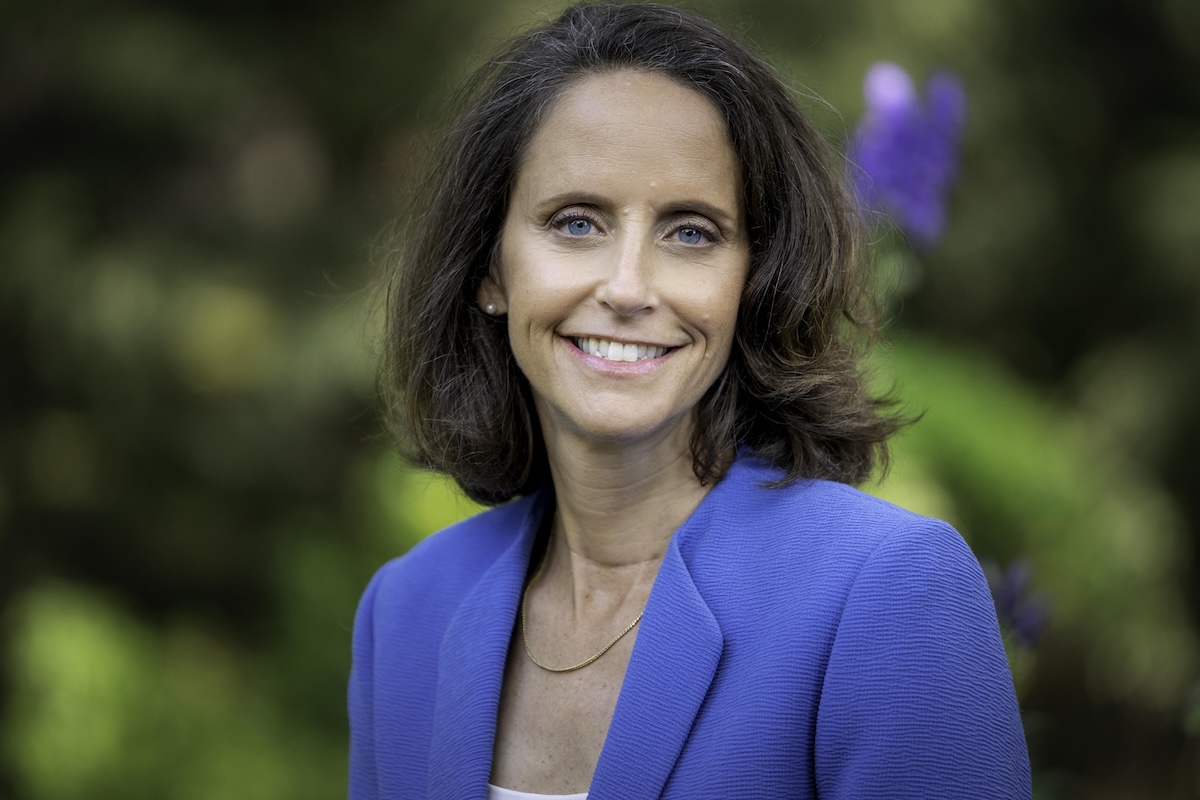
Emily Norton. Photo courtesy of Emily Norton
BCF
What ecological challenges remain, and where does CRWA see the greatest need for action today?
Norton
The Charles River faces challenges on several fronts:
- Stormwater from paved and impervious surfaces in our 35 cities and towns enters the river from storm drains, carrying with it all the pollutants on those impervious surfaces: oil, gasoline, pet waste, fertilizer, and leaves all go straight into the river, untreated. This causes the growth of invasive plants and cyanobacteria blooms.
- Sewage releases in the lower basin section of the river due to ancient, combined stormwater and sewer pipes that get overwhelmed during large rainstorms.
- Dams impeding fish passage and harming river ecology.
- Over-withdrawal of river water, especially during periods of drought.
- Streams and tributaries that have been culverted, diverted, and/or buried, harming river ecology.
- Growth of invasive species both within the river and on land (terrestrial).
- High chloride concentrations in tributaries and the mainstem from application of road salt in the winter.
- PFAS and other contaminants have been identified in the river.
BCF
Climate change brings new threats to the watershed—flooding, stormwater impacts, and urban heat. How is CRWA addressing resilience across the watershed?
Norton
Climate impacts are worse because of the changes humans have made to the natural world to create the built environment we all rely on for our modern lives. Now, instead of infiltrating into the ground and recharging groundwater, rain goes down storm drains and into stormwater pipes that were not built for the volume and intensity of storms we are now experiencing. This causes localized flooding. Impervious surfaces such as roads, sidewalks, and roofs cause heat island effect, exacerbated by the lack of tree canopy in our more urban areas. Climate change is bringing more frequent drought, causing tributaries and streams to run dry in some cases.
CRWA works with our cities and towns to change the way they manage stormwater to more closely replicate nature, such as by installing “green stormwater infrastructure,” which directs rainwater or snowmelt into the ground rather than into the stormwater system. We also encourage cities and towns to plant more trees and do more to protect their existing tree canopy.
BCF
CRWA is known for its scientific and data-driven work. How does your water quality and flow monitoring inform restoration priorities and policy decisions?
Norton
Once a month at 6 AM, over 80 volunteer monitors (VMMs) head out to 35 sites along the Charles River and two tributaries, the Muddy River (Boston/Brookline) and Stop River (Medfield), to sample for E. coli bacteria, record river conditions, and measure temperature and depth. We use these data to create an annual report card so the public can know how healthy various sections of the river are.
BCF
The Charles runs through some of the most urban and diverse neighborhoods in the state. How does CRWA work toward equitable access to the river and its green spaces?
Norton
CRWA has a long history of fighting for increased access to the Charles. As the river became cleaner, it became more desirable for private interests to try to keep the public out. We monitor development proposals and advocate for increased public access to any proposals along the river as appropriate. Making the lower basin clean enough for swimming is the most powerful thing we can do to increase access to the river. Imagine that even on the hottest days of the summer, people of any income level will be able to cool off by jumping into the Charles River.
BCF
What are your top advocacy priorities today—locally, at the state level, or federally?
Norton
Locally: dam removals. Better climate resilience rules, especially around stormwater management and tree protection. Implementation of existing MS4 [Municipal Separate Storm Sewer System] permitting, strengthening of the MS4 permit in the future.
Regionally: a new Long Term Control Plan for combined sewer overflows (CSOs) that will lead to CSO elimination as soon as possible. EPA to finalize a new stormwater permit that will require large property owners to reduce stormwater pollution.
Statewide: regional governance solution to flooding. Drought legislation to enable the state to better mandate water conservation during times of drought. Passage of a bill requiring the elimination of all CSOs statewide by 2050. Banning of second-generation rodenticides that are killing raptors and other wildlife, and pets. Updating the bottle bill to reduce plastic pollution in our rivers.
CRWA has begun the public conversation about having a regional governance structure to address flooding, as many other states do, but it is in very early stages, and we need many more voices participating. Watershed groups are a logical actor to play that role.
BCF
Looking ahead 20 years, what is your vision for the Charles River and its watershed if today’s restoration, advocacy, and community efforts succeed?
Norton
In 20 years, we will have reopened at least one, and ideally several, beaches in the lower basin of the Charles for swimming. Numerous dams will have been removed, both on the mainstem and tributaries. Local communities will have updated stormwater rules, and as a result, are experiencing much less flooding. They have also updated tree protection rules and, as a result, have a larger, healthier tree canopy—cooling the air, cleaning the air, mitigating flooding, and providing more habitat.

Sorry, the comment form is closed at this time.