

By Jeffrey North
This article is part of the Belmont Citizens Forum’s series on environmental leadership in Massachusetts.
The Massachusetts Division of Ecological Restoration (DER), part of the Department of Fish and Game (DFG), works to restore and protect rivers, wetlands, and watersheds across the commonwealth. From removing aging dams to revitalizing salt marshes and wetlands, DER supports projects that strengthen ecosystems, improve climate resilience, and reconnect communities to nature.
The Belmont Citizens Forum spoke with Beth Lambert, director of DER, about the division’s statewide restoration priorities and her vision for the future. Jeffrey North conducted the interview.
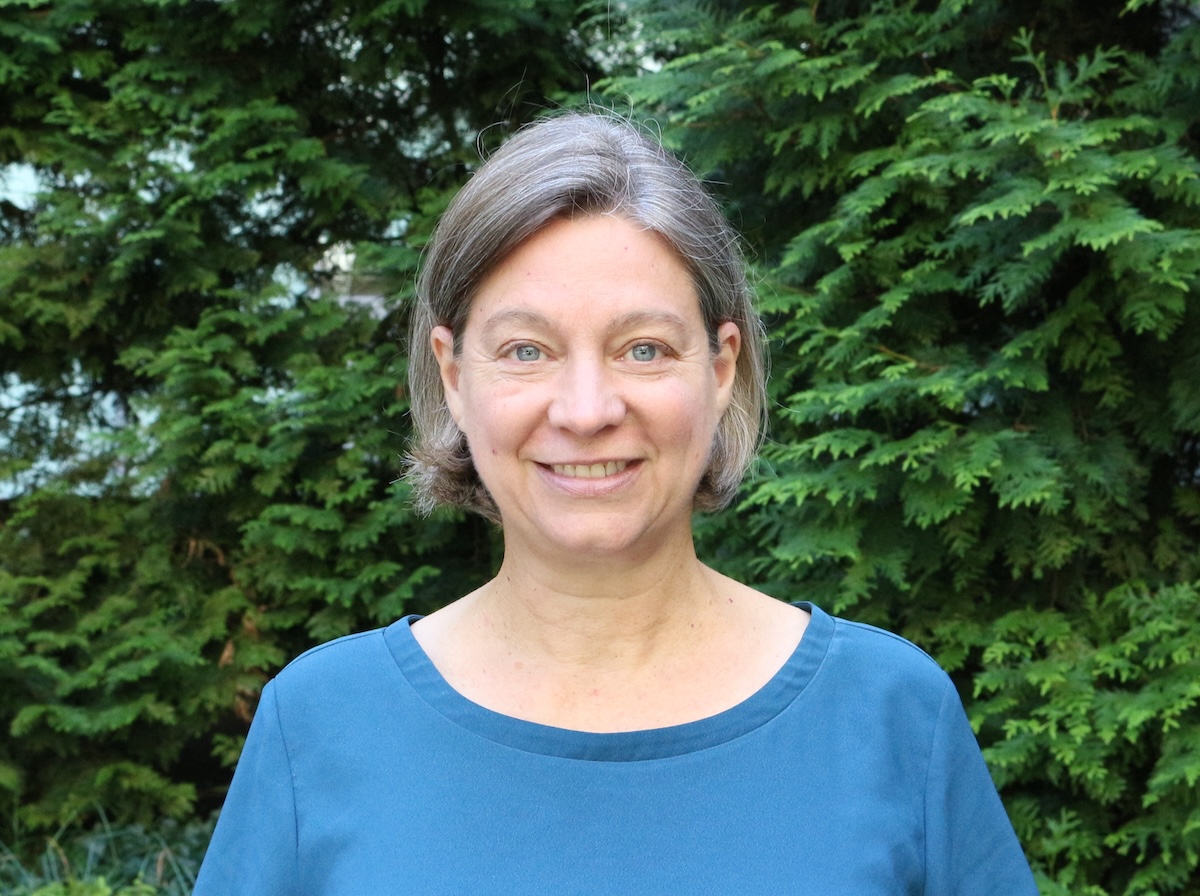
Beth Lambert. Photo courtesy of Beth Lambert.
BCF
What does DER do?
Lambert
The Division of Ecological Restoration’s mission is to restore and protect rivers, wetlands, and watersheds for the benefit of people and the environment. We do this in three ways. We directly manage river and wetland restoration projects throughout the state, working in partnership with others to guide these projects from feasibility through design, permitting, and construction. We also help others build capacity to lead and support restoration. Finally, we share restoration knowledge with organizations and individuals across the state.
BCF
What are the most urgent ecological challenges facing Massachusetts’ rivers, wetlands, and watersheds today?
Lambert
Massachusetts rivers and wetlands suffer and degrade from water pollution, habitat damage, and water withdrawals, all exacerbated by climate change. Massachusetts rivers and wetlands are chopped into disconnected segments by more than 3,000 dams and 25,000 culverts, also known as road crossings. Dams and road crossings prevent fish and wildlife from accessing key habitats, which has led to a long-term decline in native fish and wildlife that rely on connected, free-flowing rivers. Coastal wetlands are crisscrossed by roads. These roads and their undersized culverts block salt marshes from receiving the twice-daily tides that they need to thrive. This in turn has resulted in a loss of salt marsh and loss of habitat for migratory and resident birds, certain fish, plants, and other iconic species.
BCF
DER has become nationally known for its dam removal work. Can you describe why dam removal is a priority and share a few success stories?
Lambert
Removing a dam is one of the best things you can do for a river. Massachusetts has more than 3,000 dams. Dams drown floodplains and river habitat, damage water quality, and block the movement of fish and wildlife. When you remove a dam, the river immediately begins to heal. Fish and wildlife blocked by the dam return. Water quality improves. The former pond becomes a free-flowing river surrounded by a floodplain.
Dam removal also helps communities adapt to climate change. The majority of Massachusetts dams were built in the 1700s and 1800s to power mills and are now aging. As dams age, they deteriorate, presenting a risk of failure during storms. Removing the dam removes the threat to public safety associated with dam failure and builds community resilience to large storms associated with climate change.
The story of dam removal in the Mill River highlights the resilience of nature and the benefits of dam removal for people. In 2005, the Whittenton Dam on the Mill River in Taunton nearly failed during a series of large storms. Downtown Taunton was evacuated; 4,000 people had to leave. The dam was repaired during the emergency by state and federal agencies.
This 2005 dam safety crisis event catalyzed dam removal throughout the state, and particularly along the Mill River. Between 2007 and 2018, DER and more than 15 nonprofits, agencies, and others worked together to remove the Whittenton Dam and two others from the Mill River. The Department of Transportation built a fish ladder at a fourth dam. Because of the dams, river herring had been extirpated from the watershed for over 200 years.
With the removal of the three dams, river herring slowly began to return to the river each spring, swimming upstream from Narragansett Bay, through the Taunton River, to spawning habitats in the upper part of the Mill River. Within five years, over 30,000 river herring were returning to the Mill River each year. And Taunton is safe from potential dam failures.
BCF
What role does ecological restoration play in preparing Massachusetts communities for climate change—flooding, storms, and heat waves?
Lambert
Restoring rivers and wetlands enlists the power of nature to help people adapt to climate change. Healthy salt marshes buffer communities from coastal storms and the effects of sea level rise. Upgraded culverts prevent roads from flooding or blowing out during floods. Removing an aging dam can reduce upstream flood levels and eliminate the threat of dam failure. Restored wetlands absorb floodwaters and filter pollutants.
Community and Partnerships
BCF
What is the role of partnerships in river and wetland restoration?
Lambert
DER takes a partnership-based approach to restoration, working side-by-side with municipalities, landowners, nonprofits, and agencies to plan and carry out restoration projects. Restoration has powerful co-benefits such as improved public safety, job creation, outdoor recreation, economic benefits, and others. These benefits attract diverse coalitions of restoration partners, each contributing essential expertise and resources to the project.
Partnerships are essential to restoration projects, and we credit our partners for restoration successes. It’s not unusual to find DER, a rod-and-gun club, a Department of Public Works engineer, a local land trust, and two federal agencies working together to remove dams, upgrade culverts, and restore wetlands along a cold water stream. Each partner contributes critical expertise, funding, time, or local knowledge, all needed for project success.
BCF
How does DER select its projects?
Lambert
DER selects projects that bring significant ecological and community benefits to the commonwealth. DER selects restoration projects and grant recipients through public, competitive processes.
Some of DER’s programs are widely available to public, private, and agency landowners and organizations. Other programs target specific audiences such as municipal road managers or municipal dam owners. Local partners can get involved by reviewing and applying for these opportunities. In addition, landowners and others can contact our staff directly to discuss project ideas.
DER shares requests for responses through email, newsletters, our website, social media, and through our partners. Find out more on our website or by signing up for our quarterly newsletter or email list for grant opportunities.
BCF
DER’s projects often depend on local buy-in and collaboration. What strategies have you found most effective in helping landowners move from interest to implementation in restoration projects?
Lambert
Project owners follow a variety of paths to move from interest to implementation. Sometimes a watershed association or regional planning agency may connect with a property owner or community that has an interest in restoration. They may help the project owner think through their restoration options and then refer the landowner to one of DER’s grant programs or project selection programs.
In addition, DER has several grant opportunities, such as the Dam Removal Preliminary Design Program, that gives landowners an assessment of the cost and the process for carrying out restoration at their site. Lastly, our staff regularly meet with interested landowners, communities, and citizens to discuss the restoration process.
BCF
How does DER ensure that restoration work benefits communities equitably, including historically underserved towns and neighborhoods?
Lambert
Environmental justice is one of the core pillars of the Department of Fish and Game’s 2025–2030 Strategic Plan. DER seeks to meaningfully engage with residents of environmental justice neighborhoods and to ensure that restoration benefits are shared equitably across the state. We work with project owners and partners to engage with and seek input from residents that may be affected by a restoration project, with particular attention to environmental justice neighborhoods.
DER also incorporates environmental justice into grant and project selection criteria. This helps us target communities with the greatest need and ensures that grant decisions are fair and equitable.
Lastly, we work hard to make our grant and project application processes as straightforward as possible, so that understaffed or underresourced communities are not deterred from applying.
Education and Public Awareness
BCF
Public awareness of ecological restoration has grown in recent years. What strategies does DER use to explain the value of restoration to residents and decision-makers?
Lambert
We emphasize the diverse benefits of river and wetland restoration, from public safety to job creation to cost savings to improved outdoor recreation. We share examples of projects from around the state. We bring together towns that have completed projects with towns and landowners that are considering restoration.
BCF
What role does science communication and storytelling play in building support for restoration projects?
Lambert
River and wetland restoration projects make incredibly compelling stories.
Restoration projects demonstrate that:
- The actions of individuals can lead to positive change
- People from different walks of life can work together towards a common goal
- Rivers and wetlands can heal, even after centuries of damage
People who participate in restoration projects are blown away by how quickly rivers and wetlands recover. It’s an incredible experience.
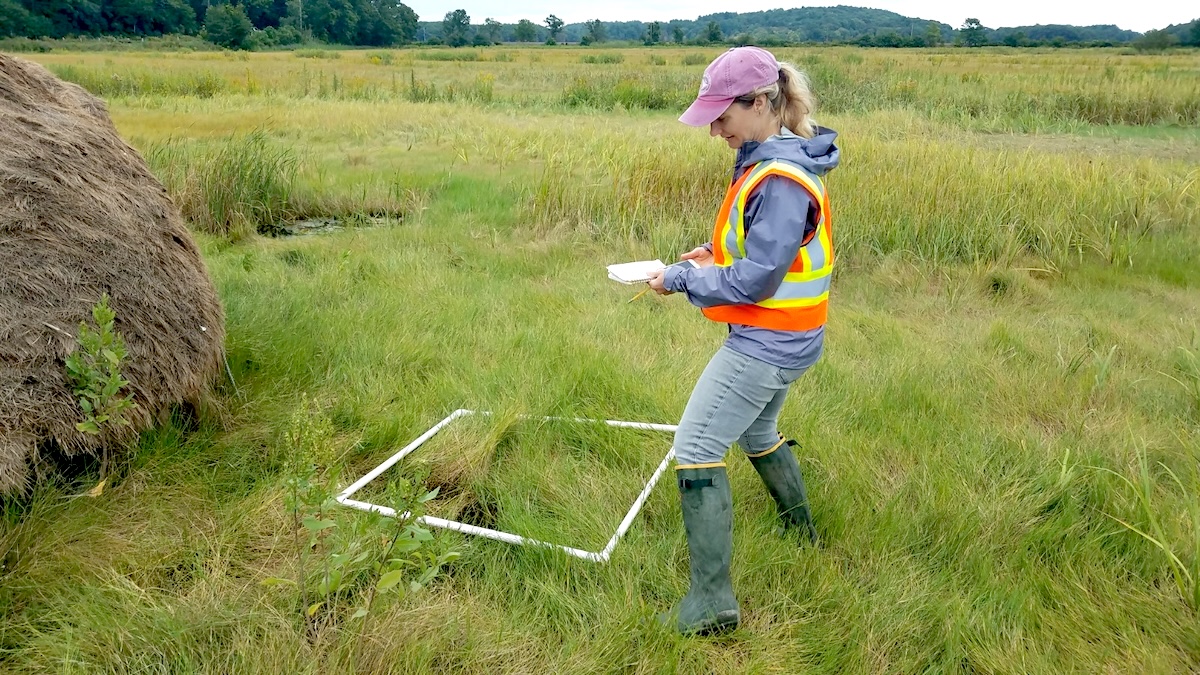
DER salt marsh monitoring, Newbury, MA. Photo courtesy of Beth Lambert
BCF
How do you engage—or what guidance would you give to—schools, universities, or young professionals who may want to build careers in ecological restoration?
Lambert
Early career professionals enter the ecological restoration field from a variety of academic paths, from biology or engineering to environmental studies, community planning, and environmental law. We encourage interested students to pursue internships with the Commonwealth, with local watershed associations, or with one of the statewide or national nonprofit organizations to get some hands-on experience and learn what it’s like to work in the environmental field.
Policy and Funding
BCF
What state or federal policies have been most important in advancing restoration work in Massachusetts?
Lambert
One of the most important policies was the formation of the Division of Ecological Restoration in 2009. This created a central, coordinated, expert-driven capacity within state government to restore river and wetland habitat. DER leads restoration projects, helps other organizations build capacity to lead and support restoration, and shares restoration knowledge.
More recently, the Healey-Driscoll administration released Biodiversity Goals for Massachusetts. These biodiversity goals for Massachusetts include a 25-year plan to protect, restore, sustain, and connect nature, with specific targets like preserving 30% of the state’s lands and waters by 2030 and 40% by 2050. The plan also involves accelerating the restoration of critical habitats, removing dams, improving fish passage, supporting food security, and increasing community access to nature and education.
BCF
Funding is always a challenge. How does DER secure resources for large-scale restoration, and what role do federal infrastructure and climate bills play?
Lambert
DER leverages its relatively small state budget for large federal grants. These grants, in combination with other state grant programs, cover the majority of restoration costs.
BCF
How do you measure success—both ecological outcomes and community benefits—across the projects DER supports?
Lambert
We partner with MassWildlife, the Division of Marine Fisheries, Woodwell Climate Research Center, the University of Massachusetts, Salem Sound Coast Watch, the Association to Preserve Cape Cod, Westfield State University, and others to track the ecological results of our restoration projects. Our colleagues in communities track community benefits. For example, one municipal road manager was so excited about his new culvert that he took videos of the culvert in the middle of the night during a storm to demonstrate how well the culvert was working!
Looking Ahead
BCF
What innovations—whether in science, engineering, or policy—are you most excited about in the field of ecological restoration?
Lambert
I’m excited about building capacity at the local level to lead and support restoration. This is one of the most effective ways that we can address restoration needs at scale.
Recently, DER launched the Regional Restoration Partnerships Program. Through this program, DER provides funding and technical assistance to regional organizations to help them gain the skills and staff capacity to build watershed-scale restoration partnerships, with a focus on getting projects on the ground.
DER is currently supporting three Regional Restoration Partnerships in the Buzzards Bay, Berkshires, and Merrimack regions. The partnerships have been enormously successful at identifying high-value river and wetland restoration projects and advancing them through design, permitting, and construction. I can’t wait to expand the program to other regions of the state.
BCF
If you could pose one or two questions to your peers leading other environmental agencies or nonprofits, what would you most want to learn from their experience in advancing restoration and resilience?
Lambert
Over the last decade, DER and many other environmental organizations have all been scaling up to meet the growing need for restoration assistance. How do we use our respective strengths in combination to address restoration needs and magnify our collective impact?
BCF
Looking ahead 20 years, what is your vision for Massachusetts’s rivers, wetlands, and coastal systems if DER’s restoration priorities succeed?
Lambert
In 20 years, restoration will be a mainstream and common sense approach for how communities do business. Rivers will run more freely, with 300 dams removed. Municipalities, with support from DER and other agencies, will upgrade 2,500 of the state’s 25,000 culverts, leading to significant gains in stream connectivity and native fish populations. Every watershed in the state will have a restoration “hub” of technical resources and project management expertise. DER and partners will continue to restore the health of salt marshes, removing critical barriers to salt marsh migration as sea level rises.
Beth Lambert is a director at the Division of Ecological Restoration, Massachusetts Department of Fish and Game.
Jeffrey North is managing editor of the BCF Newsletter.

Sorry, the comment form is closed at this time.