
Each year, the Belmont Citizens Forum asks candidates for town-wide office questions about issues facing Belmont. This year, Adam Dash and Mike Crowley are running for town moderator.
The moderator has broad authority over Town Meeting. How do you define the moderator’s core responsibilities in Belmont, and what principles would guide your exercise of that responsibility, particularly in contentious debates?
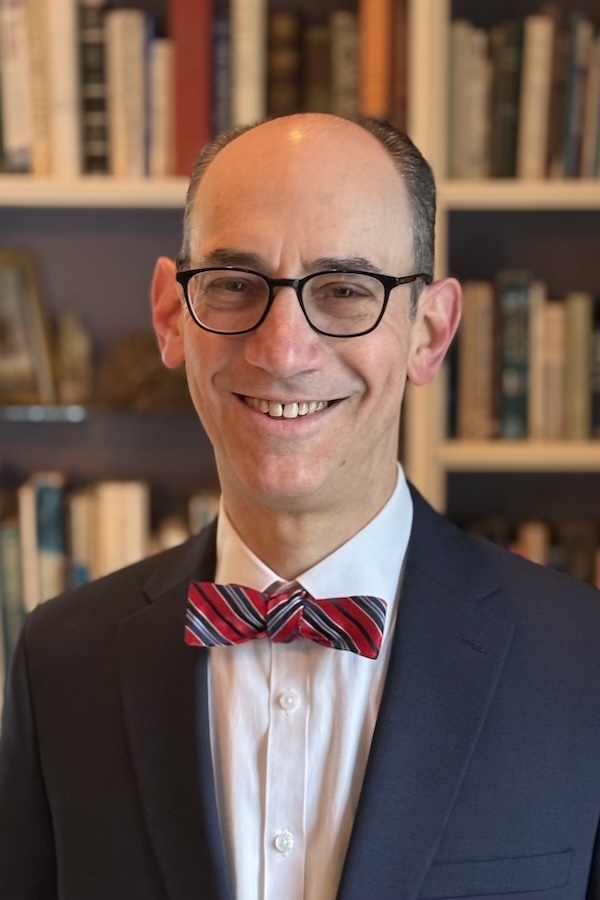
Adam Dash. Photo courtesy of Adam Dash
Adam Dash
I have the experience and skills to carry out the three main functions of the town moderator: (i) run large hybrid meetings, (ii) render legal rulings, and (iii) make committee appointments.
I have done all three things as an attorney handling municipal law matters for over 35 years, and in my role on the Select Board for six years (2017-2023), including two years as chair. I have a track record of successfully moderating contentious meetings that allow all views to be shared while making sure that people are respectful of each other. I would bring this experience and understanding of the underlying bases of articles before Town Meeting to the role of moderator. One cannot make a ruling on the scope of an article before Town Meeting without fully understanding the article’s subject matter.
I will provide a space where all views are aired, where all rulings are unbiased and legally correct, and where all Town Meeting members are clear on what is being discussed and voted on.
I pledge to foster a legislative branch that runs smoothly, fairly, and represents all residents.
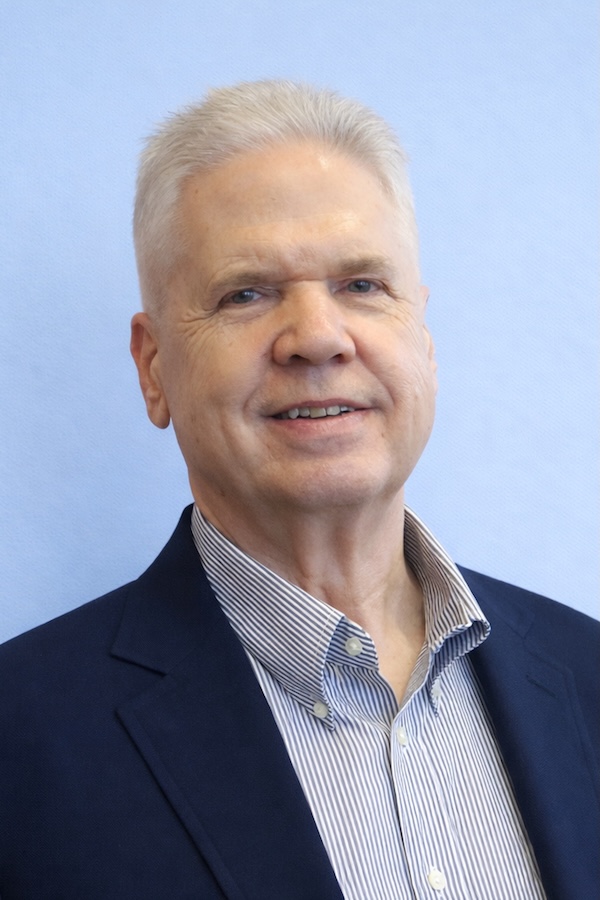
Mike Crowley. Photo courtesy of Mike Crowley
Mike Crowley
As Moderator, I (1) plan and preside over Town Meeting in a fair and impartial manner and (2) appoint skilled, thoughtful residents to key committees that shape Belmont’s long-term decisions.
My guiding principle in presiding over Town Meeting is neutrality. I will not use my authority to steer Town Meeting to any particular outcome. Town Meeting members are elected to make that choice. In practice, this means applying procedural rules fairly and ensuring an equitable process for debate: allowing speaking time for proponents and opponents, giving the Select Board and other town committees sufficient time to communicate their positions and recommendations, and ensuring Town Meeting members’ right to speak. A moderator who steers outcomes undermines both the legitimacy of the vote and Town Meeting itself.
In making committee appointments, I pay attention to relevant skills and interests of potential appointees. I also strive to maintain a diversity of background and perspectives in my appointments.
BCF
How will you maintain visible impartiality in managing debate? Would there ever be an occasion where you would abandon neutrality?
Mike Crowley
Impartiality begins with respect. I treat every Town Meeting member—regardless of viewpoint—with the same courtesy, attentiveness, and respect. There must be opportunities for all views to be heard. That’s the essential responsibility of the moderator at Town Meeting.
Abandoning neutrality is never appropriate. The moderator’s credibility depends on it, especially in contentious debates.
Adam Dash
I would be more than just visibly impartial as moderator. I would be completely impartial, which would include not being involved in submitting articles or citizen petitions to Town Meeting, and not showing favoritism. The role of Moderator is similar to that of a judge or referee who makes legal rulings and empowers Town Meeting members to make decisions.
BCF
Former moderator Michael Widmer, in an effort to enforce civility, prohibited Town Meeting members from engaging in ad hominem attacks on town bodies or officials. Others have argued that this violates free speech. Where do you stand on this issue?
Mike Crowley
This rarely is a real issue. Town Meeting members are overwhelmingly respectful of one another, committee members, town staff, and elected officials.
I witnessed one striking exception several years ago. During a debate over an amendment to address a school funding shortfall, a Select Board member publicly lambasted proponents as “traitors.” Had I been the moderator then, I would have intervened because that outburst was inflammatory and deeply disrespectful.
On the other hand, the former moderator called out of order a Town Meeting member who suggested that the Town’s leadership would prefer it if Town Meeting members deferred to them when making decisions. I don’t consider this observation an ad hominem attack, disrespectful, or inflammatory.
Town Meeting members must be able to express strong views about the merits of policies and decisions. And strong views can be expressed with civility.
Adam Dash
I had three rules as Select Board chair: Do not waste people’s time. No drama. No personal attacks.
I would bring these rules to Town Meeting. We can argue our points strongly, and we can still be friends and neighbors.
In general, if you need to personally attack your opponent to prevail, then you likely do not have a strong argument in favor of your position.
BCF
Belmont has begun experimenting with hybrid and remote Town Meetings, in part to make participation easier. But in the most recent Town Meetings, fewer than half the members attended in person, jeopardizing the distinct advantages of in-person meetings in building community. How would you manage this tension, allowing for greater access through hybrid but preserving the more robust deliberations of in-person meetings?
Adam Dash
Hybrid meetings in Belmont have been in place for years for Town Meetings and other bodies, and I am glad they are here to stay. Hybrid meetings allow many people to be part of town governance who are not otherwise able to serve their community. They allow people to participate no matter where they are or whatever their circumstances may be. I support keeping Town Meeting hybrid.
Mike Crowley
Hybrid Town Meetings are no longer an experiment. We and other Massachusetts communities have proven they work. Many Town Meeting members attended our last Special Town Meeting in October remotely. Yet debate was vigorous, voting was reliable, and Town Meeting members had every opportunity to speak.
Recognize what hybrid access has achieved. Parents with young children, seniors, caretakers, residents with disabilities, and those who travel for work can now participate in Town Meeting. This broader participation strengthens—not weakens—democracy by making Town Meeting more reflective of our community.
While in-person interaction remains valuable, access and inclusion must be prioritized.
BCF
Town Meeting increasingly faces complex articles on finance, zoning, and large capital projects, where both clarity and fairness in debate are critical. What specific tools or practices (e.g., speaking limits, structured pro/con presentations, educational sessions) would you use to make debate both efficient and genuinely informative for members and the public?
Mike Crowley
Town Meeting has always faced complex issues; this is nothing new. The key for the moderator is preparation and structure, as well as regular communication with Town Meeting members. On the latter, I email Town Meeting members frequently to keep them apprised of information and developments related to Town Meeting, and more frequently than we’ve seen in the past.
Ahead of each Town Meeting, I meet and work with the Select Board and citizen petitioners to provide clear, accessible materials to help Town Meeting members understand the proposals before them. I strongly encourage Town Meeting members to attend Warrant Briefings. I also encourage precincts to organize caucuses in advance of Town Meeting.
Town Meeting members speak to the pros and cons of issues; they also make amendments, or move to postpone or dismiss articles, which affords another opportunity to discuss potential cons.
Ensuring Town Meeting members understand procedures is critical for maintaining a fair and civil debate, as well. I developed a simplified procedures guide (www.belmont-ma.gov/DocumentCenter/View/1936/Moderator-Letter-Describing-Town-Meeting-Procedure-PDF) for Town Meeting members to help them better understand how to navigate Town Meeting.
Adam Dash
I want to make sure that Town Meeting members have the knowledge and tools to make the complex decisions facing us. I plan to hold regular office hours (as I did when I was on the Select Board) and education sessions. I will keep the discussion moving in a productive manner during Town Meeting, while respecting people’s right to speak and fully participate.
The key to productive debate is clear communication. I would ensure that Town Meeting members are clear on what is being voted on before voting begins on each article. Clarity and consistency are the key to a Town Meeting that is fair and where everyone feels they have been heard.
I will prepare new Town Meeting members for service by pairing them with established Town Meeting members, and by providing training before they begin. I once wrote instructions for new Warrant Committee members on how to review the town budget so they could get up to speed quickly; and as moderator, I will make sure that new Town Meeting members are likewise ready to go on day one of Town Meeting.
BCF
The moderator appoints members to powerful committees such as the Warrant Committee and building committees, which have a significant influence on important town policies. What criteria would you use for these appointments, and how would you seek out diverse perspectives and underrepresented voices?
Adam Dash
It is important for committees to include different perspectives to represent the community and make fully informed decisions. The Warrant Committee needs subject matter experts in finance, law, and human resources, among other areas, to be able to debate, vote and make recommendations on articles regarding budget, zoning and pension matters, just as Building Committees need architects, lawyers, builders and finance experts to do their work. Having served on those committees, I have a deep understanding of what they need.
It is important for committees to reflect Belmont as a whole, including gender, race, economic status, and geographic area in town. I brought in people from all backgrounds in my appointment of about 500 people to over 60 committees while on the Select Board, and will continue to do so as moderator. I even wrote the Select Board’s committee appointment rules to make those appointments fair and unbiased.
Mike Crowley
Finding residents to serve on committees occupies much of my time because it’s important work. I look for relevant skills, a willingness to do the work, and a commitment to problem-solving. I also try to ensure that we have diversity, including that we draw appointees from across precincts, and have a greater variety of viewpoints and experience.
The Warrant Committee illustrates the challenge. With a professional finance and budgeting background, I have focused on boosting the Warrant Committee’s analytical skills. Belmont has no shortage of residents with expertise in finance, economics, and data analysis, but many are already overcommitted. Finding skilled volunteers requires sustained outreach—a process that can take months.
I am proud of the results so far. In addition to reappointing some experienced members, I have appointed three new Warrant Committee members who bring strong analytical skills and fresh perspectives. All three are parents of young children, one of the many groups historically underrepresented on the committee.
BCF
The creation of a Moderator’s Advisory Committee is a recent step, but it has had some initial stumbles. Would you use such a committee, and, if so, to what extent would its recommendations shape your decisions?
Mike Crowley
While it took time for precincts to select representatives, the Moderator’s Advisory Committee has been a valuable step toward greater transparency for the Town moderator—a role that has historically operated with little or no transparency around actions like committee appointments or Town Meeting planning.
The committee advises me on Town Meeting procedures and potential committee appointments, and I value their thoughtful and constructive input, which meaningfully informs my decisions. The committee is an essential sounding board that I plan to make permanent.
Adam Dash
If I ask people to serve on a committee, I want to make good use of their time.
The Moderator’s Advisory Committee does not have an official document outlining in detail the committee’s purpose. I would start by doing what I did for the committees I created on the Select Board, which is to draft a document outlining the Committee’s role, how members are chosen, and what their terms of service are. None of that currently exists.
The committee could take on specific projects with deliverables and timeframes to pursue opportunities that enhance the operation of our legislative branch and better serve the community. I have watched the committee’s meetings, and I believe members would have a more satisfying and impactful volunteer experience if their roles were clear, tangible and action-based.
BCF
Looking ahead to the end of your first term as moderator, what specific, observable changes in Town Meeting’s culture, procedures, or accessibility would you hope Town Meeting members and residents could point to as evidence that you have strengthened Belmont’s representative town meeting government?
Adam Dash
I have a one-year plan available on my website, adamdashformoderator.com to make Town Meeting work better. Members will feel like they have been heard and their time has been well used.
I will support civic education by holding citizen budget forums, and bringing Town Meeting into the schools by having a Model Town Meeting where students can debate a sample article as Town Meeting and Select Board Members with me as Moderator.
Belmont’s legislative decision-making will be stronger with vibrant, active, fair, and efficient Town Meetings. These are the kinds of successful large meetings I have run for 35 years in Belmont and professionally as an attorney.
Belmont deserves a Town Meeting which is a robust, co-equal branch of government, but this requires a moderator with the skills and experience to help Town Meeting be at its best. I am running to help Town Meeting be just that.
Mike Crowley
I am especially proud of three accomplishments.
First, Town Meeting is now hybrid by default, dramatically expanding access for residents. Our hybrid Town Meetings have proceeded seamlessly with few hiccups, solid attendance, and have begun to make Town Meeting more representative of the diversity of our community.
Second, the creation of the Moderator’s Advisory Committee has brought much-needed transparency to critical decisions about Town Meeting process and moderator appointments. The committee made good on my campaign promise to bring transparency and public accountability to a position that has operated with little.
Third, the tone of Town Meeting has improved. By fairly moderating discussions, treating all Town Meeting members equally and encouraging respectful debate, Town Meeting has become a more civil and effective town legislature.

Sorry, the comment form is closed at this time.